Buying or marketing a home is a substantial economic action, and while appearances typically steal the spotlight, the real value of a residential or commercial property exists under the surface. That's where residential home inspections come in. These professional evaluations function as a vital action in the realty process, offering insights that safeguard investments and ensure tranquility of mind.
What Are House Inspections?
A home assessment is an extensive, non-invasive analysis of a home's major systems and structural stability. Conducted by an experienced examiner, this procedure covers every little thing from the foundation to the roofing, ensuring that the property is secure, useful, and devoid of significant defects.
These examinations are typically performed before a home changes hands, providing buyers and sellers a more clear understanding of its problem. Whether it's a residential property survey recently developed home or an older framework, an appropriate examination determines concerns that may otherwise go unnoticed.
Why Homebuyers Should Never Avoid an Inspection
When emotions run high during the home purchasing procedure, it's tempting to hurry with the steps to protect the desire home. Nonetheless, avoiding a home assessment might result in serious remorse. Covert plumbing leaks, defective circuitry, or foundational cracks can transform a dream home right into a monetary nightmare.

A specialist examination provides purchasers the possibility to renegotiate or ask for repairs prior to closing. It's a proactive strategy that helps avoid future shocks and furnishes customers with the understanding to make enlightened decisions.
Inspections for Vendors: A Strategic Advantage
While inspections are frequently related to customers, vendors likewise gain from performing one prior to providing their property. A pre-listing inspection allows the home owner to determine and take care of problems beforehand, enhancing the home's presentation and minimizing the chances of last-minute arrangements or deal-breakers.
This transparency builds trust fund with potential customers and can also warrant a greater asking price. In today's competitive market, a seller that offers inspection paperwork upfront shows honesty and readiness-- top qualities that draw in major buyers.
What Does a Residential Examination Cover?
- Structural elements: foundation, wall surfaces, ceilings, floorings, and roof covering structure Roofing system: roof shingles, blinking, rain gutters, and ventilation Electrical system: electrical wiring, breaker, outlets, and fixtures Plumbing: pipes, hot water heater, fixtures, and drainage HVAC systems: furnaces, a/c devices, ductwork, and thermostats Interior and exterior conditions: exterior siding, doors, windows, insulation, and noticeable mold and mildew or pests
After the examination, a thorough record is offered, typically including images and notes on flaws or maintenance issues. This record comes to be a vital tool for negotiation or future upkeep.
The Relevance of Picking the Right Inspector
Not all assessors offer the exact same level of service. Choosing a certified, skilled expert ensures that the examination is performed extensively and morally. Inspectors need to have a keen eye for detail, up-to-date training, and a commitment to customer education.
Companies like Cornerstone Home Inspectors are known for supplying trusted, in-depth home evaluations. Their group assists customers browse residential or commercial property choices with confidence, many thanks to years of hands-on experience and an interest for high standards.
Modern Devices Make a Difference
Today's inspectors utilize sophisticated devices such as infrared thermography, moisture meters, and drones to find surprise problems that are unseen to the nude eye. These devices improve the precision of evaluations, ensuring that no edge of the property is overlooked.
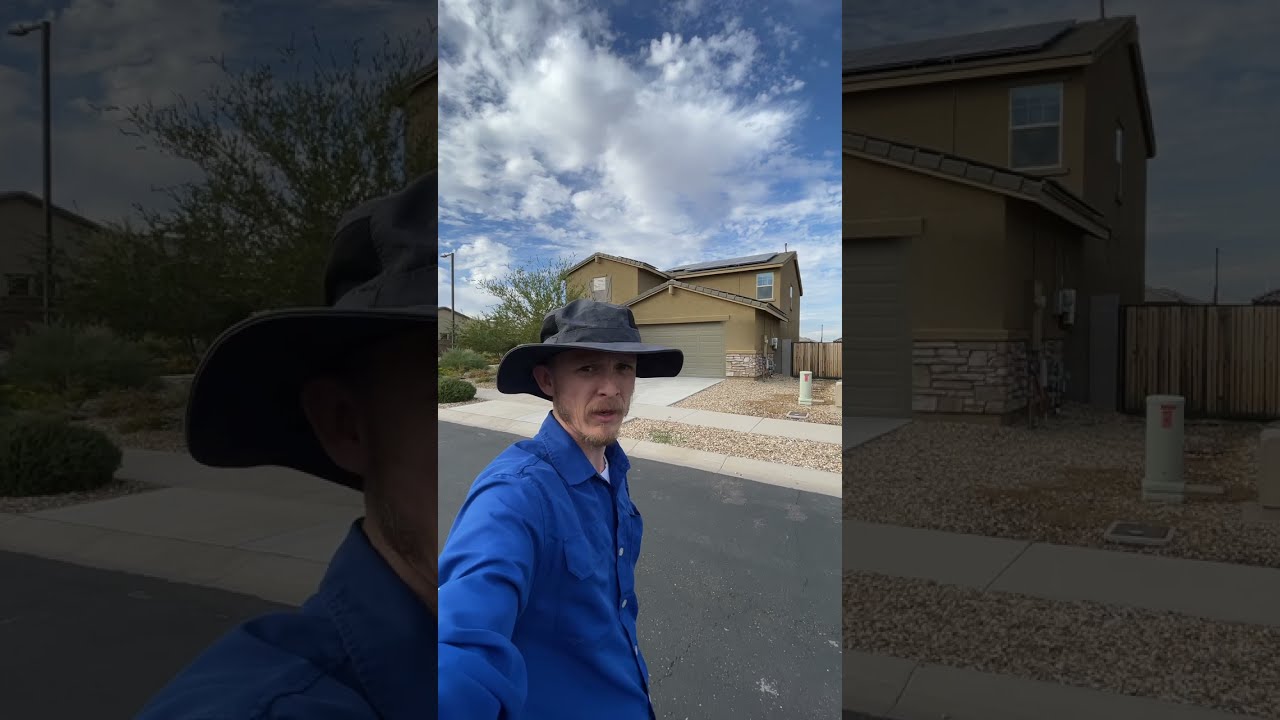
By incorporating technology right into the procedure, examiners can provide even more comprehensive insights, assisting clients comprehend the complete scope of a home's problem before making decisions.
Common Issues Found Throughout Residential Inspections
- Roof leaks or used shingles Outdated or hazardous electrical systems Leaky plumbing or water heater problems Poor insulation or ventilation Foundation splits or settlement Mold or wetness damages in basements and crawl spaces
By attending to these problems early, both buyers and sellers can prevent pricey shocks down the road.
Conclusion: Knowledge is Power
In the world of real estate, details is everything. Residential building inspections offer the understanding needed to make audio choices, avoid hidden pitfalls, and make sure that homes are safe and comfortable for many years to come.
Whether getting an initial home, marketing a long time home, or investing in a residential property, an assessment is more than just a box to inspect-- it's an important part of safeguarding one's investment. By collaborating with a trusted assessment group, property owners obtain the clarity and self-confidence they need to move forward with tranquility of mind.